The Aluminum Castings Process: From Design to Reality
The aluminum casting method is an essential technique for producing complex parts in various industries. The process involves converting aluminum in its molten state into exact configurations through proven methods like investment, sand, and die casting. Every technique provides unique benefits based on the desired complexity and production scale. Comprehending the complexities of this technique is vital for companies pursuing quality and efficiency. Yet, obstacles like material selection and defects remain significant considerations in attaining optimal outcomes.
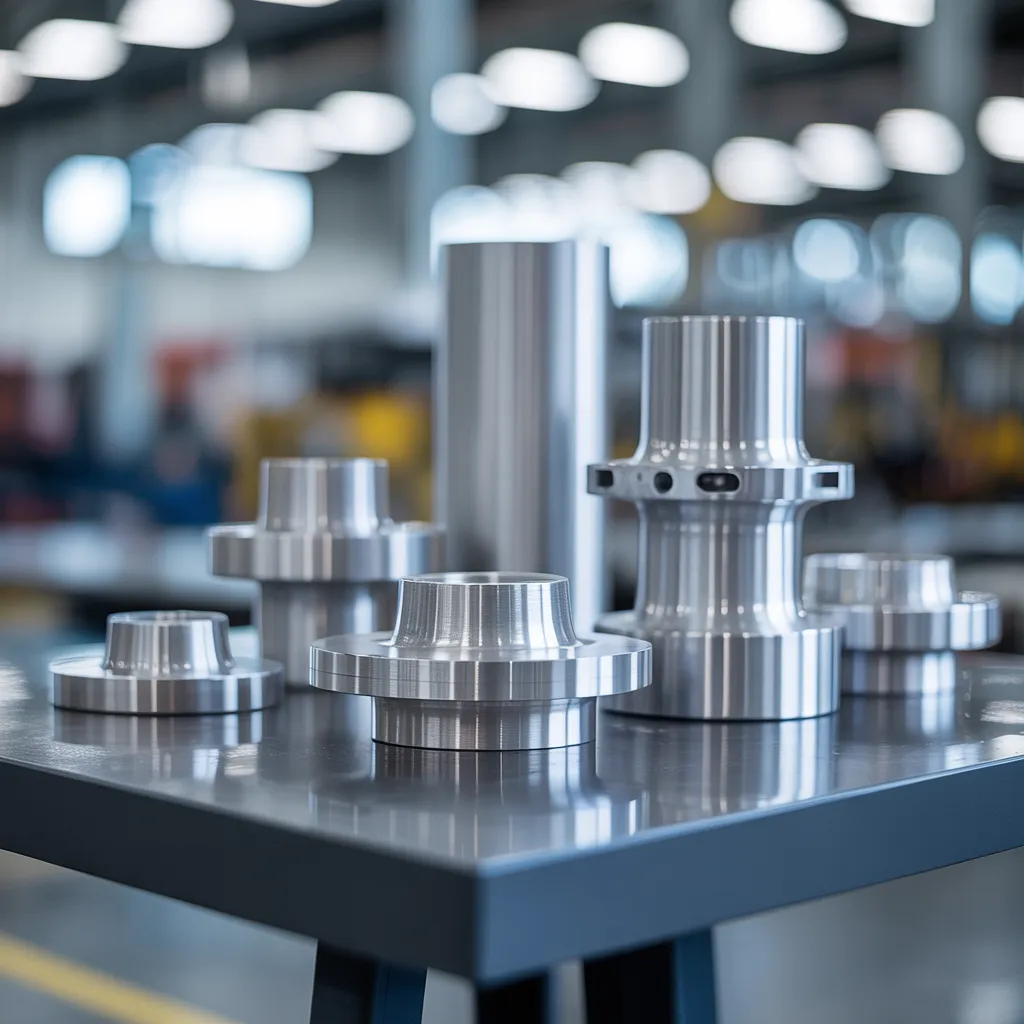
Exploring Aluminum Casting: What It Involves and Why It Is Important
Aluminum casting is an essential manufacturing technique that turns molten aluminum into a wide range of shapes and components. This method holds an important place in various industries, including the automotive, aerospace, and consumer goods sectors, due to aluminum's favorable properties such as lightweight, durability, and resistance to corrosion. By converting aluminum into intricate forms, manufacturers can produce parts that meet specific design and performance requirements.
The significance of aluminum casting resides not only in its capacity to produce sophisticated forms but also in its operational advantage. The procedure frequently minimizes resource waste and allows for fast manufacturing cycles, which is vital in a highly competitive industry. Additionally, aluminum castings can be easily recycled, supporting environmental responsibility in production processes. Comprehending aluminum casting is essential for organizations looking to evolve and optimize product quality, establishing it as a cornerstone in current industrial manufacturing standards.
Critical Aluminium Casting Methods: Investment, Sand, and Die
Casting processes play a critical part in transforming aluminum into practical components, with three main techniques leading the field: investment casting, sand casting, and die casting. Sand casting relies on forming a mold out of sand, allowing for complex shapes and sizes, making it ideal for low-volume production. This technique is both economical and adaptable, although it can result in a less refined surface texture.
Die casting, in contrast, employs high-pressure injection to force liquid aluminum into a metal die, yielding accurate dimensions and refined surfaces. This process is well-suited for large-scale production, offering outstanding consistency and structural durability.
The investment casting process, widely recognized as precision casting, is based on producing a wax pattern encased in a ceramic mold. After the wax has been melted out, liquid aluminum is cast into the mold, producing intricate designs with exceptional precision. Every method provides distinct advantages, catering to diverse industrial needs and uses in the field of aluminum casting.
What Occurs Throughout the Aluminum Casting Process?
The aluminum casting procedure begins with subjecting the metal to elevated temperatures until it reaches a liquid state. The molten aluminum is subsequently poured into a prepared mold, which may be constructed from a variety of materials depending on the casting technique employed. As the aluminum fills the mold, it conforms to the required shape. Once the metal has cooled and solidified, the mold is detached, uncovering the completed aluminum component.
Post-casting, the piece goes through several post-processing steps, such as machining, trimming, or surface treatment, to attain the desired specifications and quality standards. Inspection for defects like air pockets or inclusions is also critical at this point to guarantee the reliability of the end product. The whole process demands careful temperature management and precise timing to deliver optimal outcomes, permitting the final aluminum casting to fulfill precise engineering requirements and performance specifications.
How to Choose Materials for Aluminum Castings
Choosing the correct materials for aluminum castings entails a detailed evaluation of various elements. Essential elements involve the fundamental characteristics of the material options, defined use case specifications, and financial efficiency. Grasping these aspects is essential for attaining peak efficiency and proficiency in the casting process.
Summary of Material Properties
Selecting the appropriate alloys for aluminum castings is crucial for achieving peak strength and longevity of the final product. Multiple aluminum alloys are accessible, each featuring specific properties such as corrosion resistance, strength, and thermal background information conductivity. Frequently used options are 356 and 319 alloys, recognized for their outstanding casting characteristics and mechanical properties. The choosing process must evaluate factors like the planned use, environmental conditions, and weight requirements. Furthermore, the melting point and fluidity of the aluminum alloy are critical factors in the casting process, impacting the ability to fill intricate molds. As a result, comprehending these alloy characteristics assists manufacturers in selecting the best alloy, resulting in improved durability and performance of the aluminum castings.
Considerations for Specific Applications
When selecting materials for cast aluminum components, it is important to align the selection with specific application requirements. Elements like mechanical strength, corrosion resistance, and thermal conductivity play critical roles in determining the most suitable alloy. As an example, components operating in harsh environments may require enhanced resistance to corrosion, while those experiencing mechanical stress might benefit from alloys with enhanced strength. Moreover, factors related to weight and thermal properties are essential for applications in aerospace and automotive manufacturing. Recognizing the working conditions and desired performance criteria allows engineers to select the ideal alloy, guaranteeing performance and durability. Ultimately, the right material selection improves performance while supporting the overall success of the casting application.
Key Cost-Effectiveness Elements
A thorough evaluation of cost-effectiveness is critical for enhancing material selection in aluminum castings. Factors influencing this assessment include raw material expenses, processing costs, and the intended use. Advanced strength alloys might carry higher initial expenses but can provide long-term savings through decreased mass and enhanced durability. Additionally, design complexity and production volume serve as key factors; straightforward configurations often lower manufacturing costs, while higher volumes can justify the investment in specialized materials. It is also important to examine the compromises between performance and cost, guaranteeing that the selected materials fulfill both financial and operational needs. Ultimately, a comprehensive method that matches project specifications will boost overall cost-effectiveness in aluminum casting operations.
Advancements in Aluminum Casting Technology
Advancements are reshaping the landscape of aluminum casting technology, driving productivity and eco-friendliness in production operations. A significant development is the integration of cutting-edge automation and robotic systems, which enhance precision and reduce human error. Additionally, the adoption of 3D manufacturing technologies is growing in prominence, facilitating intricate designs that standard approaches fail to accomplish. These innovations not only reduces production timelines but also decreases production waste, aligning with sustainability goals.
The use of simulation software for casting design has grown increasingly common, allowing manufacturers to refine processes before physical production. Moreover, recycling and closed-loop systems are increasingly emphasized, promoting resource efficiency and reducing environmental impact. Enhanced alloy compositions are being developed to improve strength and corrosion resistance, serving a wide range of industrial applications. As these trends unfold, the aluminum casting industry shifts toward a greener and more innovative direction, ultimately improving product quality and operational efficiency.
Diagnosing Typical Issues in Aluminum Casting
During the aluminum casting process, various defects can arise, impacting the quality of the final product. Identifying these common issues is essential for manufacturers striving to preserve high standards. Efficient corrective strategies can significantly reduce these issues, promoting enhanced casting performance.
Overview of Common Defects
Many flaws may occur during the aluminum foundry process, affecting the performance and quality of the final product. Notable concerns include porosity-related flaws, which stems from gas pockets within the metal, leading to compromised areas. Shrinkage-related flaws develop when the aluminum cools and contracts, potentially causing empty spaces. Misruns develop when the metal cannot completely fill the casting mold, while cold shuts develop where dual flows of liquid metal do not properly bond. In addition, surface-level imperfections, such as embedded sand particles or uneven surfaces, can negatively affect both appearance and performance. Identifying these imperfections is critical for casting specialists, as they can significantly compromise structural integrity and operational efficiency in the final applications of aluminum castings.
Effective Solutions Strategies
Since challenges in aluminum casting are widespread, applying effective solutions can significantly improve product quality. Recognizing the root causes of common defects, including porosity and shrinkage, is critical. For instance, optimizing pouring temperatures can mitigate gas entrapment, while employing a controlled cooling rate helps reduce shrinkage. Moreover, incorporating high-quality raw materials promotes consistency and diminishes the risk of impurities. Routine maintenance of molds and equipment avoids wear-related problems, additionally enhancing casting integrity. Applying advanced approaches, such as vacuum or pressure casting, can further tackle specific challenges. Finally, fostering a culture of continuous improvement through training and feedback helps teams adapt and innovate, ultimately leading to higher-quality aluminum castings and increased customer satisfaction.
Common Questions and Answers
What Are the Ecological Effects of Aluminum Casting?
Aluminum casting significantly affects the environment through greenhouse gas emissions, energy consumption, and resource extraction. Moreover, the process generates waste and may lead to air and water pollution, negatively influencing the natural environment and human well-being.
How Do I Ensure Quality in My Aluminum Castings?
To ensure excellence in aluminum cast parts, one must implement rigorous inspection protocols, employ high-quality base materials, preserve accurate thermal regulation during the melting process, and embrace sophisticated methods like computer simulations for design confirmation and defect prevention.
What Industries Commonly Use Aluminum Castings?
Aluminum castings are commonly utilized in a wide range of industries, including consumer goods, automotive, aerospace, and electronics. Their durable and lightweight nature make them well-suited for applications that prioritize efficiency and durability in production processes.
Are Aluminum Castings Recyclable?
Indeed, aluminum castings can be recycled effectively. The recycling process retains the material's properties, making it a sustainable choice for a wide range of industries. Recovered aluminum is frequently utilized for fresh casting processes, reducing environmental impact.
What Safety Protocols Should Be Followed During Aluminum Casting?
During aluminum casting, protective protocols include using personal protective equipment, providing sufficient air circulation, servicing tools and machinery, using heat-resistant tools, and putting emergency plans in place. Routine safety education and adherence to safety guidelines help mitigate risks connected to high-temperature operations.